
IMC | International Economy and Trade | November 27, 2026
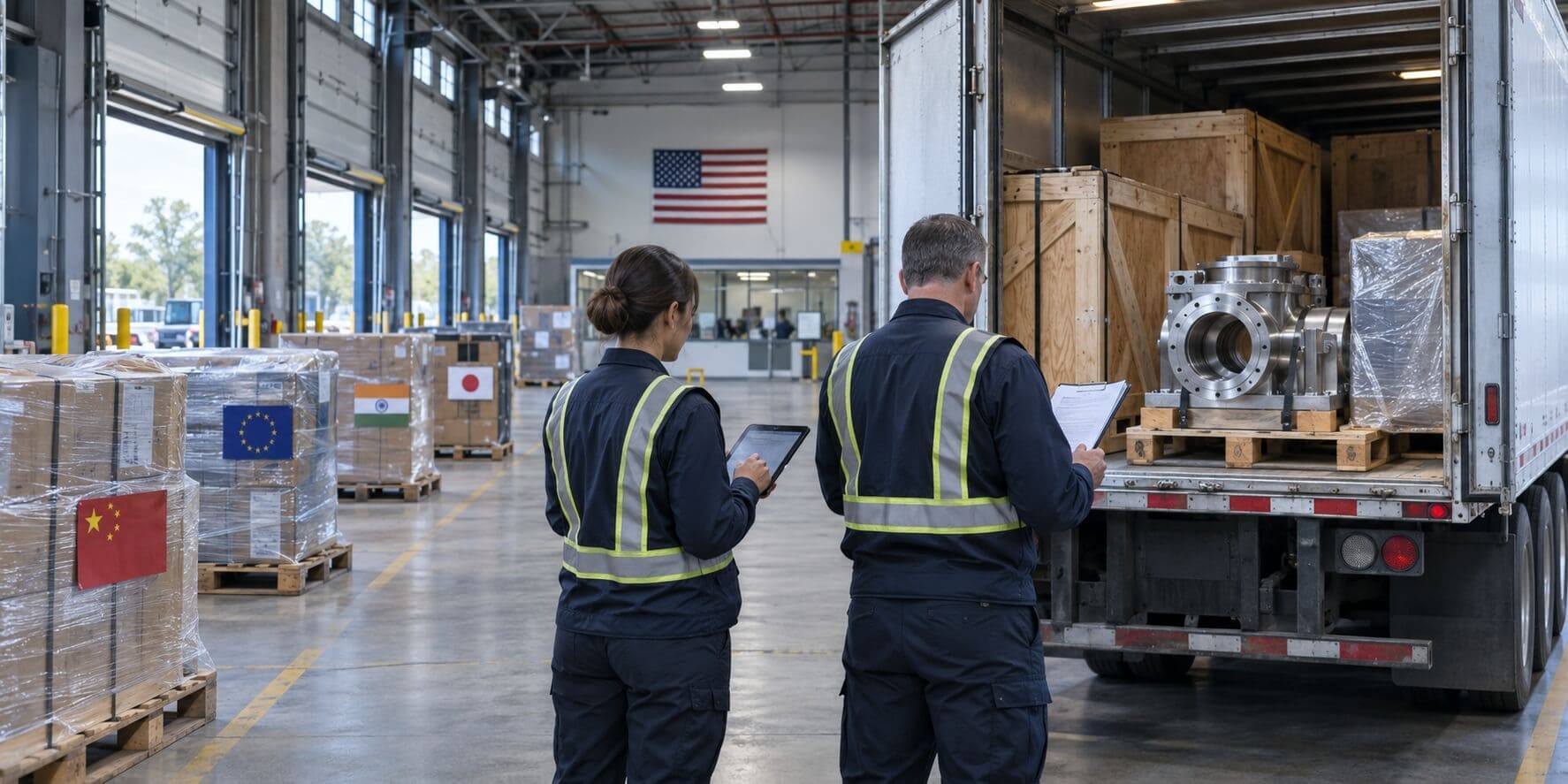
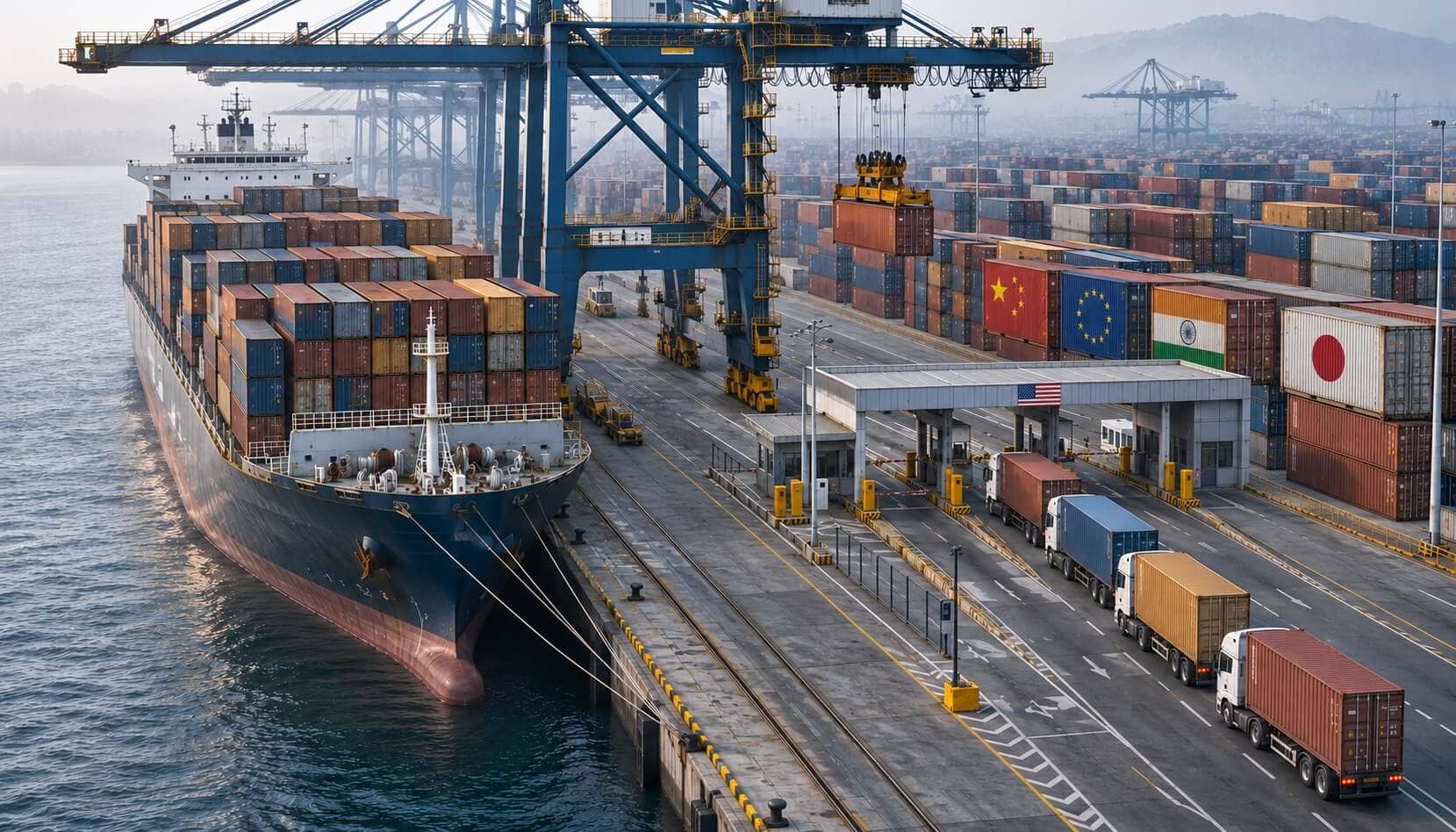
In a new move reflecting ongoing trade tensions between the United States and several major economies, the administration of U.S. President Donald Trump has announced proposals to impose additional tariffs on imports from 14 trading partners, including China, the European Union, India, Japan, and South Korea. The initiative targets what Washington describes as excess industrial capacity and trade practices that undermine the balance of competition in global markets.
The announcement followed investigations conducted by the Office of the United States Trade Representative (USTR) under Section 301 of the U.S. Trade Act, examining the industrial and production policies of the economies concerned and their impact on international trade flows and American industries.
Trade Investigations Targeting Excess Industrial Capacity
The U.S. administration based its proposals on the findings of an investigation lasting approximately eight months. The investigation concluded that the industrial policies of certain trading partners contribute to expanding production capacity beyond domestic and international demand levels. Washington argues that this leads to markets being flooded with low-priced products, weakening the competitiveness of American companies.
The investigations cover a range of practices related to government subsidies for industries, policies aimed at boosting production and industrial expansion, as well as other factors that the United States claims distort the balance of trade competition.
14 Trading Partners Included in the Proposed Measures
The list includes China, Bangladesh, Cambodia, the European Union, India, Indonesia, Japan, South Korea, Malaysia, Singapore, Switzerland, Taiwan, Thailand, and Vietnam.
The proposed tariff rates vary depending on the targeted economies, reaching 20% on certain Chinese imports, and 15% on imports from the European Union, Japan, South Korea, Switzerland, and Taiwan. The proposed rates reach 25% on Indian imports and 35% on Vietnamese imports. Meanwhile, Bangladesh, Cambodia, Indonesia, Malaysia, and Thailand face proposed rates of up to 18%, while Singapore’s proposed rate stands at 20%.
The proposals also include exemptions for certain products and take into account tariffs imposed under other trade measures, as well as obligations arising from existing trade agreements or those currently under negotiation.
China at the Center of the Trade Confrontation
China occupies a central position in these developments, as Washington considers it one of the main sources of global excess industrial capacity. The United States accuses China’s industrial policies of contributing to an oversupply of products in international markets, particularly in sectors such as steel, aluminum, electric vehicles, household appliances, and solar energy products.
In response, Beijing has rejected U.S. allegations concerning excess industrial capacity, maintaining that its exports are based on their competitiveness in global markets. China has also opposed measures that could restrict trade flows and impose additional restrictions on Chinese products.
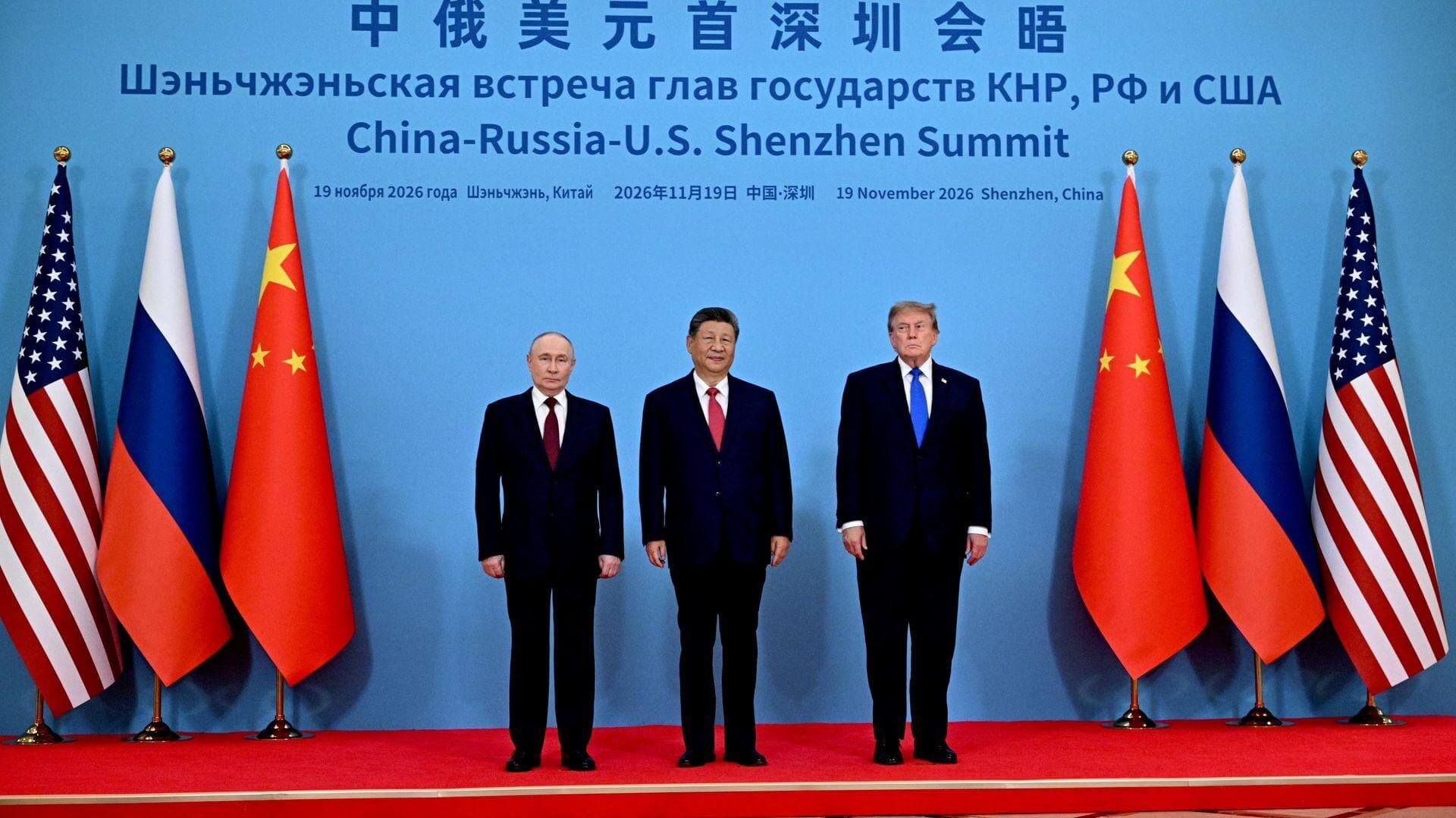
These developments come amid ongoing trade talks between Washington and Beijing, as both sides seek to preserve existing understandings and avoid renewed economic escalation between the world’s two largest economies.
Measures Not Yet in Effect
Despite the announcement of the proposals, the new tariffs have not yet entered into force, as the U.S. process requires the completion of several regulatory stages, including an opportunity for governments, companies, and other interested trade stakeholders to submit comments and feedback.
The Office of the United States Trade Representative has set January 5, 2027, as the deadline for submitting comments and requests to participate in public hearings. The hearings are scheduled to begin on January 25, 2027, paving the way for consideration of possible final measures.
This phase will allow concerned parties to submit objections and observations regarding the investigation findings and proposed tariff rates before decisions are made on their implementation.
Potential Implications for Global Trade and Supply Chains
The U.S. proposals open the door to a new period of uncertainty in international markets, particularly given that the targeted countries and economies maintain extensive trade and industrial ties with the United States and play major roles in global supply chains.
If adopted, the final decisions are expected to have varying effects on import costs, product prices, investment flows, and international trade. They could also prompt some countries to reassess their industrial and trade policies or intensify negotiations with Washington to avoid the consequences of additional tariffs.
This move reflects the United States’ continued reliance on trade policy instruments to protect domestic industries and strengthen its competitive position, at a time when economic competition among major powers is intensifying and industrial and technological considerations are increasingly intertwined with geopolitical influence and international trade.
International Media Center | I.M.C